
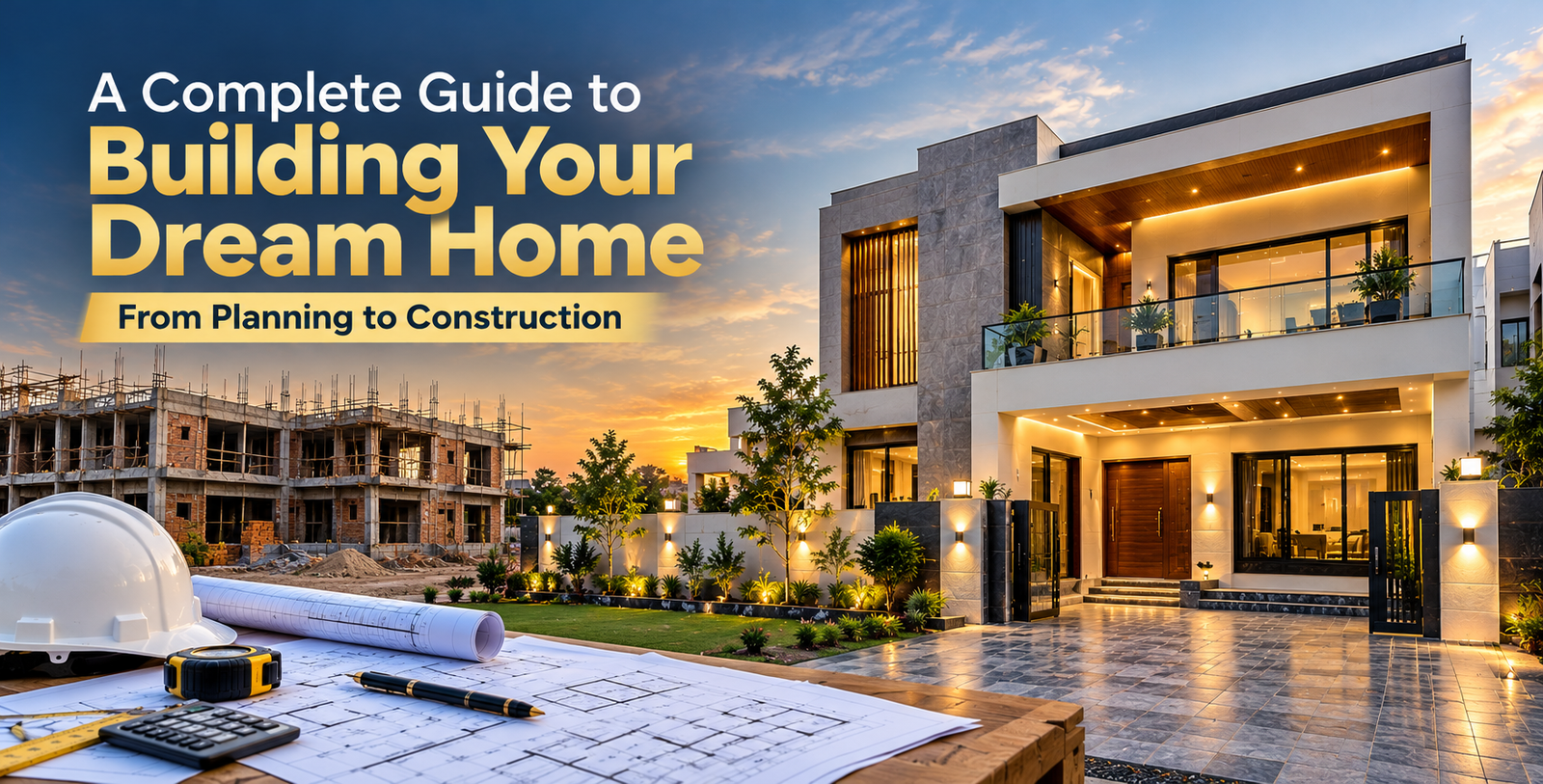
A Complete Guide to Building Your Dream Home: From Planning to Construction
Introduction
Building a home is one of the most important investments in life. It is not just about constructing walls and installing doors; it is about creating a comfortable, functional, and secure space for your family. However, turning a dream home into reality requires proper planning, professional guidance, quality materials, and careful execution.
Whether you are planning a 5 Marla house, a 10 Marla home, or a larger residential property, understanding the construction process can help you make better decisions and avoid unnecessary expenses.
In this guide, we will explore the essential steps involved in building a house, from the initial planning stage to the final finishing.
1. Start with Proper Planning
Every successful construction project begins with a clear plan. Before starting construction, you should determine your requirements, available budget, plot dimensions, and preferred house design.
Consider the following questions:
-
How many bedrooms does your family need?
-
Do you require a separate drawing room?
-
Would you prefer an open or closed kitchen?
-
How many vehicles should the parking area accommodate?
-
Do you need additional space for future expansion?
A well-planned layout helps utilize available space efficiently and makes everyday living more comfortable.
2. Choose the Right Architectural Design
Architectural design plays an important role in the appearance and functionality of a house. A professional architect can help transform your ideas into a practical building design.
Important design considerations include:
-
Proper room dimensions and placement.
-
Natural lighting and ventilation.
-
Efficient use of available space.
-
Kitchen and bathroom positioning.
-
Staircase location and accessibility.
-
Exterior elevation and overall appearance.
A good architectural plan should balance beauty, functionality, and construction practicality.
3. Understand Your Construction Budget
Budget planning is essential for managing a construction project successfully. Many homeowners focus only on the initial construction cost and overlook additional expenses.
Your budget should consider:
-
Grey structure construction.
-
Cement, steel, bricks, and other materials.
-
Electrical and plumbing installations.
-
Flooring, tiles, and marble.
-
Doors, windows, and woodwork.
-
Paint, ceiling, and finishing.
-
Labour and professional services.
-
Contingency for unexpected expenses.
It is also important to compare material specifications rather than selecting products based on price alone.
4. Understand the Grey Structure Stage
The grey structure is the main structural stage of house construction. It establishes the basic framework of the building.
This stage generally includes:
-
Excavation and foundation work.
-
Footings and foundation structure.
-
Columns and beams.
-
Brick masonry.
-
Roof slab construction.
-
Staircase construction.
-
Basic plumbing and electrical provisions.
Structural work should follow approved engineering drawings and project specifications. Qualified professionals should supervise important construction activities.
5. Focus on Quality Construction Materials
The quality of construction materials has a direct impact on the durability and performance of a building.
Before purchasing materials, consider their specifications, quality, suitability, and compliance with relevant standards.
Some important materials include:
Cement: Select cement appropriate for the intended construction application.
Steel: Reinforcement steel should meet the structural engineer’s specified grade and requirements.
Bricks: Check consistency, dimensions, strength, and overall quality.
Sand and Crush: Ensure that aggregates are suitable for the intended concrete or masonry work.
Using appropriate materials and maintaining proper construction practices can help reduce future maintenance problems.
6. Electrical and Plumbing Installation
Electrical and plumbing systems are essential components of a functional home. Their planning should begin before the finishing stage.
Electrical planning should include lighting points, switches, power sockets, air-conditioning connections, and safety provisions.
Plumbing planning should consider water supply lines, drainage systems, bathroom fittings, kitchen connections, and water storage requirements.
Proper coordination between architectural, structural, electrical, and plumbing drawings can help avoid unnecessary alterations during construction.
7. Interior and Exterior Finishing
Finishing work gives a house its final appearance and improves its usability.
Common finishing activities include:
-
Floor tiles and marble installation.
-
Kitchen cabinets and countertops.
-
Bathroom fixtures and accessories.
-
Doors and windows.
-
Wall paint and decorative finishes.
-
False ceilings and lighting.
-
Exterior elevation and boundary walls.
Homeowners should select finishing materials according to their budget, lifestyle, and maintenance requirements.
8. Follow Building Regulations and Approval Requirements
Before beginning construction, homeowners should identify the relevant development authority or housing society and understand its applicable building regulations.
Depending on the property’s location, requirements may include:
-
Approved architectural drawings.
-
Structural drawings.
-
Building plan approval.
-
Applicable setback and coverage requirements.
-
Construction-related permissions and inspections.
These requirements can differ between development authorities and private housing societies. Always verify the latest regulations before starting work.
9. Monitor Construction Progress
Regular site supervision helps ensure that construction activities follow the approved drawings and agreed specifications.
Homeowners should maintain communication with their contractor and review important milestones.
A construction progress review should consider:
-
Work completed against the schedule.
-
Material quality and usage.
-
Construction workmanship.
-
Budget and payment records.
-
Site safety and cleanliness.
-
Any changes to the approved design.
Clear documentation and regular communication can help prevent misunderstandings between homeowners and contractors.
10. Choose the Right Construction Company
Selecting a reliable construction company is one of the most important decisions in your home-building journey.
Before finalizing a contractor, consider:
-
Previous construction projects.
-
Quality of completed work.
-
Professional experience and technical team.
-
Transparency in cost estimates.
-
Written contract and payment schedule.
-
Material specifications.
-
Construction timeline.
-
Communication and project supervision.
A professional construction team should understand your requirements and explain the construction process clearly.
Conclusion
Building your dream home requires more than financial investment. It requires thoughtful planning, suitable architectural design, quality materials, professional supervision, and attention to every construction detail.
By following a structured construction process and working with qualified professionals, you can make informed decisions and create a home that meets your family’s needs.
At Warraich Builders, we believe every successful project begins with understanding the client’s vision. Our commitment is to provide professional construction solutions, architectural planning, and quality-focused services to help turn your ideas into reality.
Planning to build your dream home? Contact Warraich Builders to discuss your residential or commercial construction project.